TimHose — Product Design Lead, Design Systems
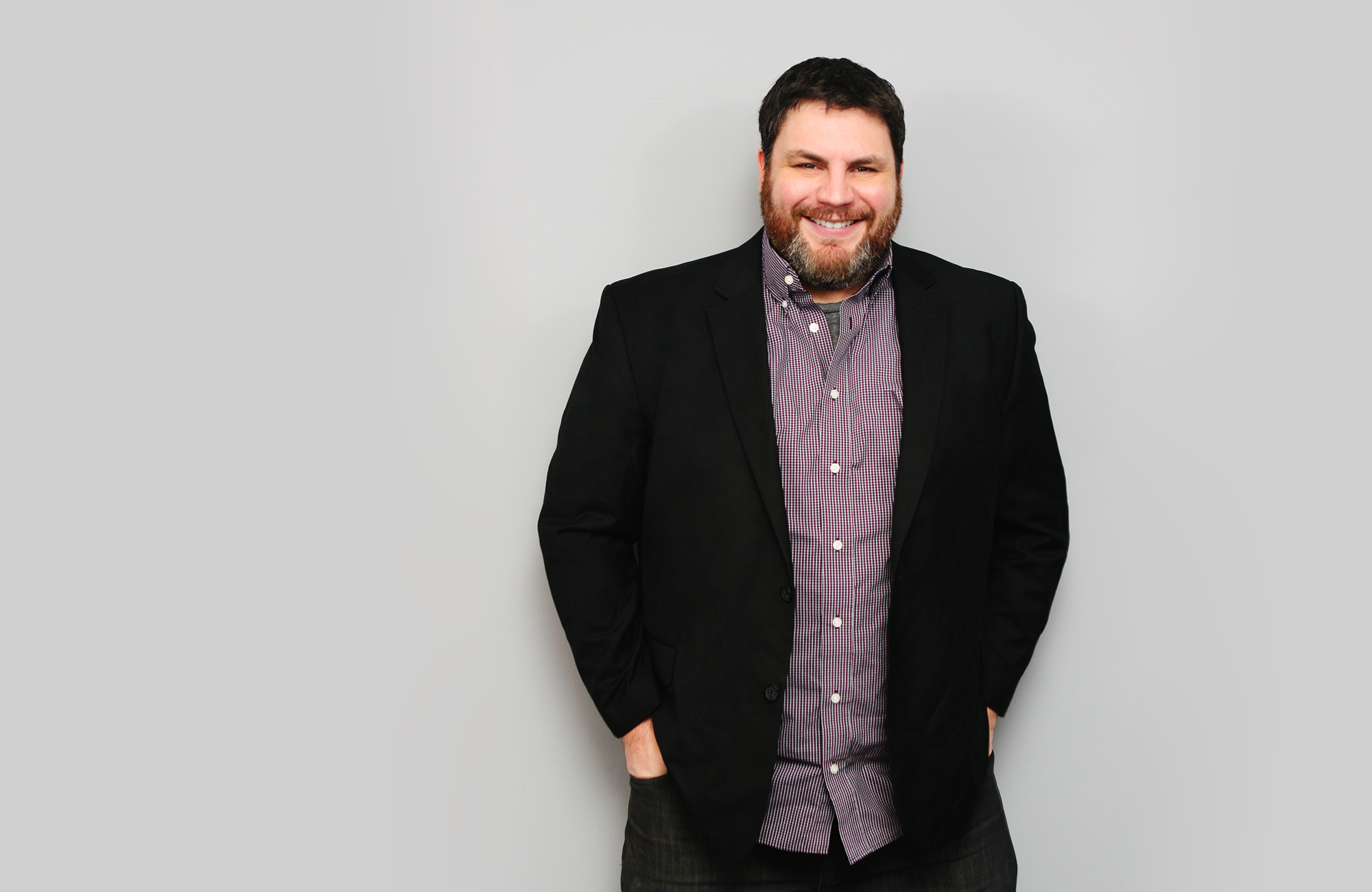
I lead design systems through strategy, standards, tooling, and hands-on craft.
I build the systems and tools that help teams do better work.
I work on the systems and tools that give teams a solid place to start, make decisions easier to share, and keep the details from getting lost as the work moves into production. AI opens up a lot more room to experiment, and a good design system gives you enough structure that you can spend that freedom on the interesting parts instead of reinventing the basics every time.
2021–present · Lead Experience Designer
Verizon
Design
System
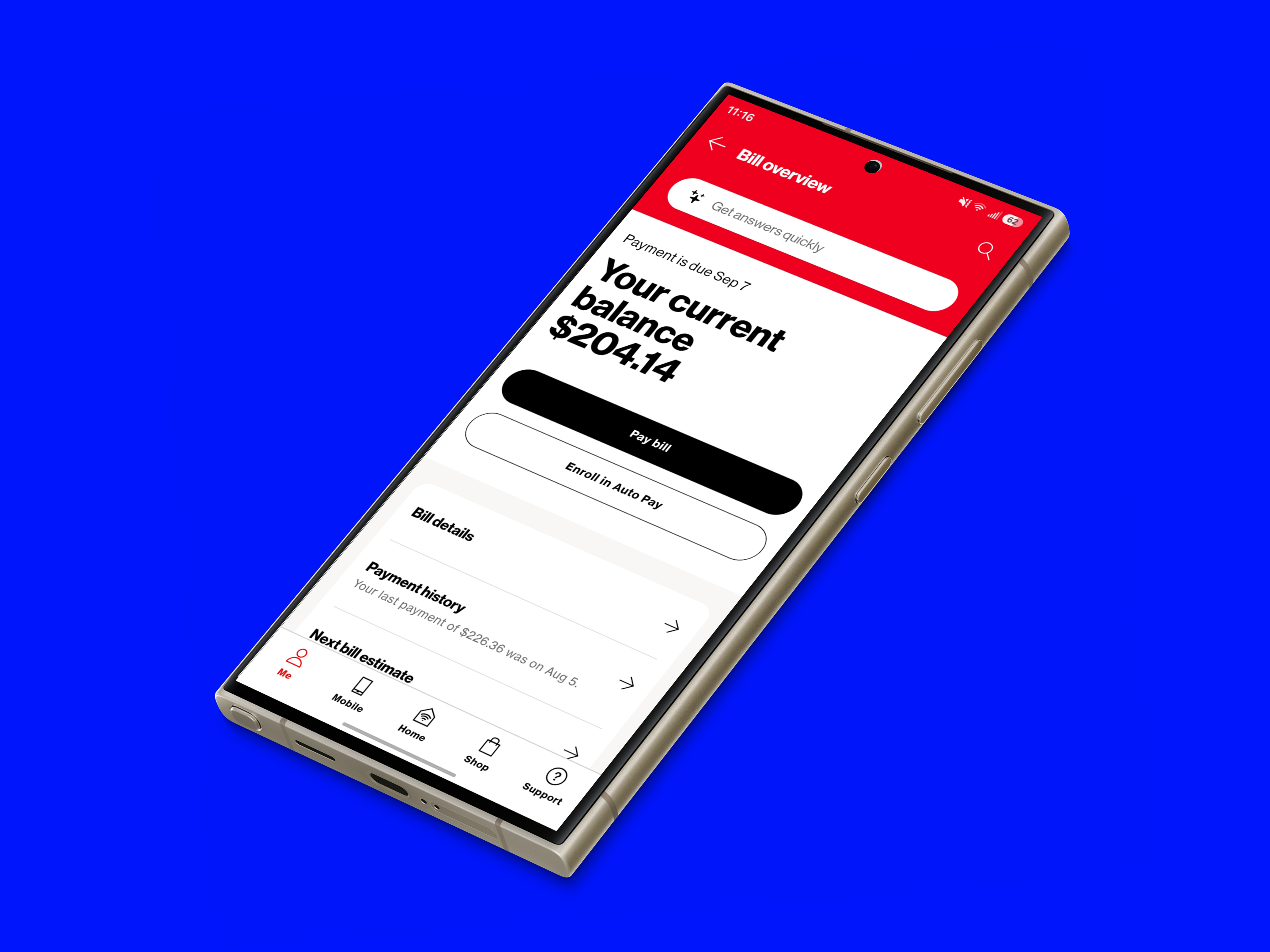
A design system for a large organization, built to give teams a shared foundation across products, platforms, and disciplines.
Verizon Design SystemView case study




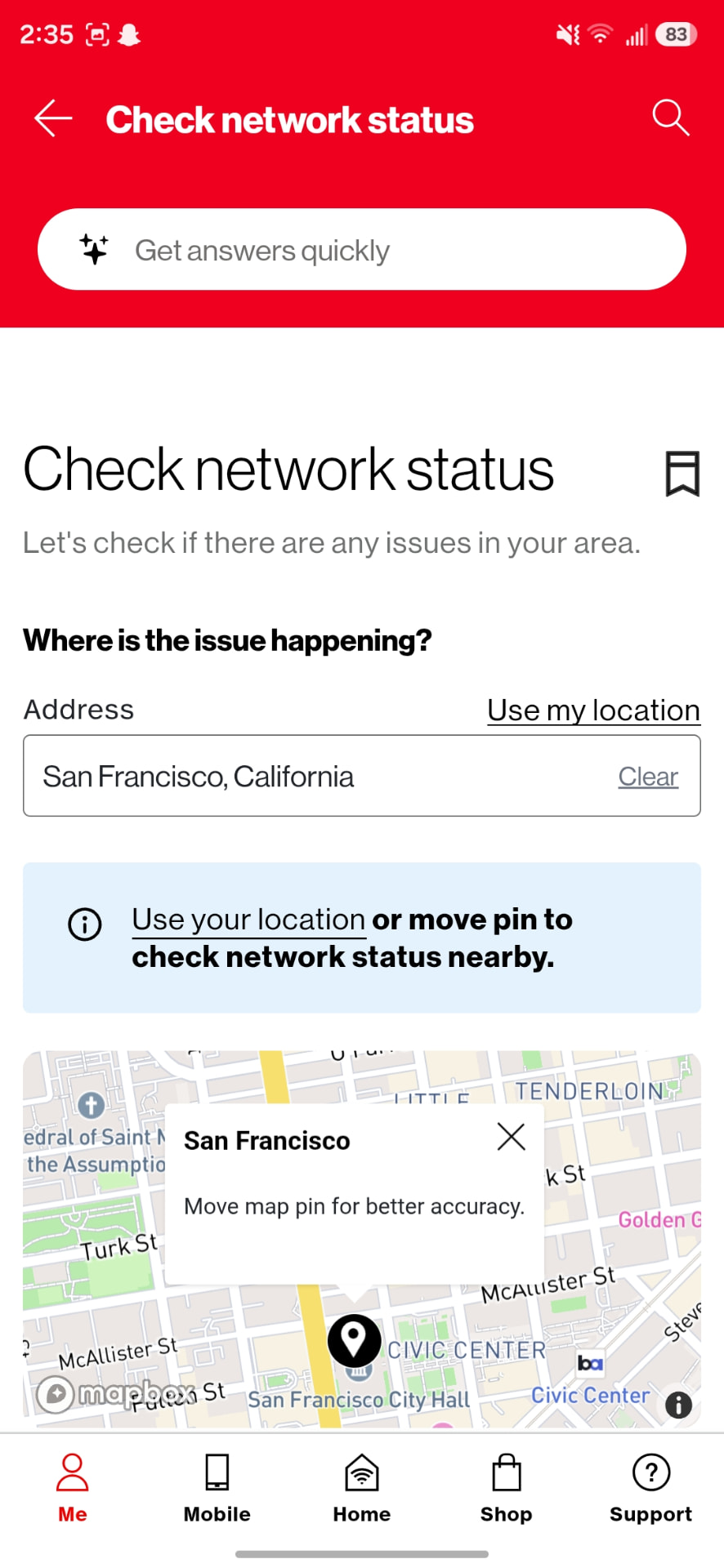

A system earns its keep when teams can adopt it easily.
Once teams can use the system easily, the benefits start to compound. Designers and developers have a shared language, accessibility is built into the starting point, brand decisions stay aligned, and less time gets spent rebuilding the same foundations.
- Faster onboarding
- Established patterns, documentation, and expectations give teams a stronger place to start.
- Accessibility by default
- Core behavior and standards become part of the foundation instead of something every team has to rediscover.
- Shared language
- Components, specs, states, and documentation give design and engineering the same thing to work from.
- More time for the product
- Resolving the repeatable decisions creates more room to explore the ones that actually deserve it.
Role · Lead Experience Designer · Web, iOS + Android
Web
to
Native
Extending the Verizon Design System from web into native iOS and Android while keeping the same design intent across platforms.
Web → iOS + AndroidView case studyOne system / three expressions
SHARED · COLOR · TYPE · SPACE · ACCESSIBILITY
WEB
1:1 MATCH
ACTION
INPUT
CONTEXT
HOVER + FOCUS
iOS
1:1 MATCH
ACTION
INPUT
CONTEXT
PRESS + FEEDBACK
ANDROID
1:1 MATCH
ACTION
INPUT
CONTEXT
PRESS + FEEDBACK
SHARED: BRAND · CONTENT · INTENT
ADAPTED: CONTEXT · STATES · BEHAVIOR
Role · Designer + builder · Visual QA tooling
Feedbacker
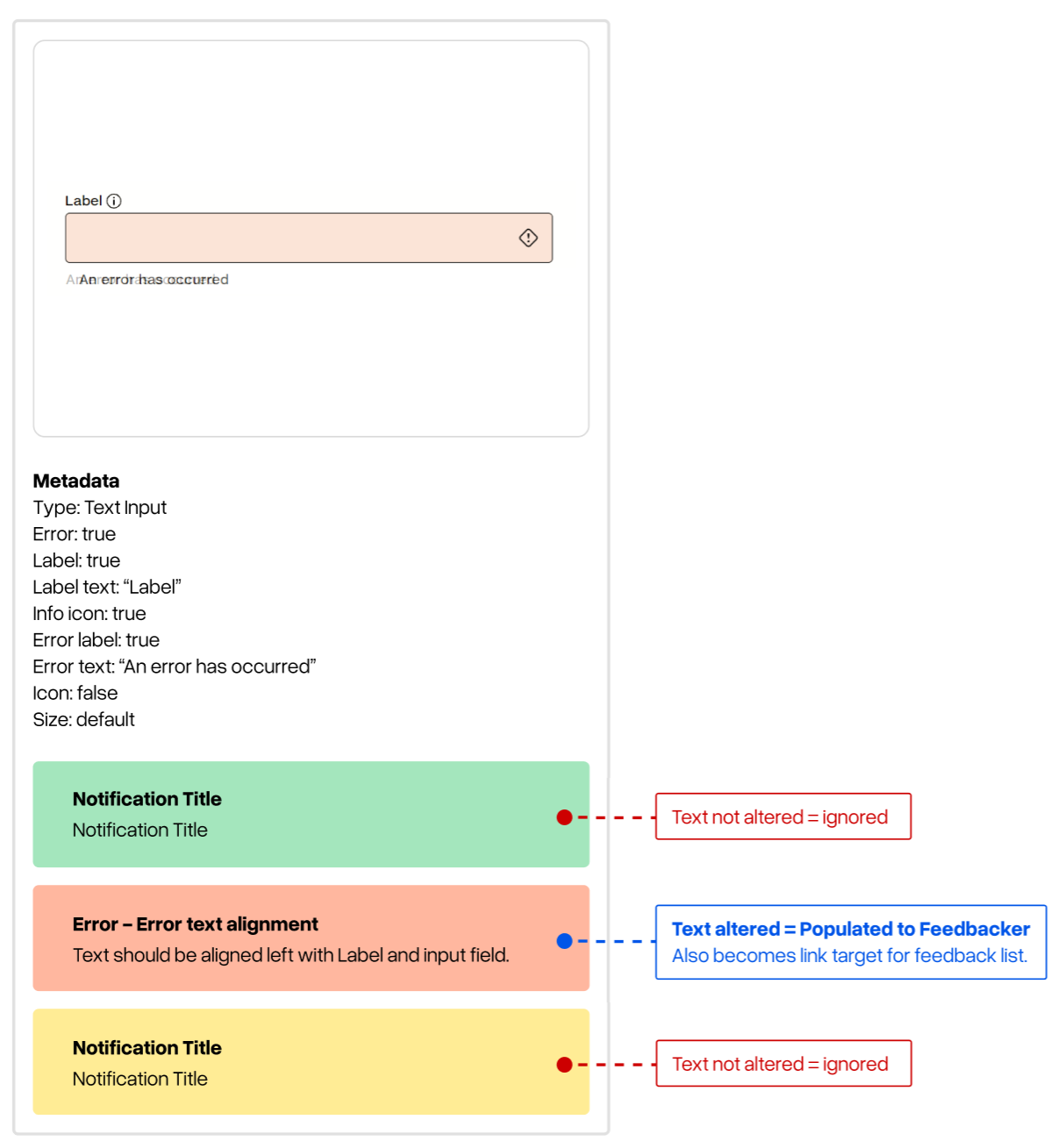
A Figma tool I designed and built to turn scattered QA feedback into a clear, linked handoff for developers.
FeedbackerView case studyFeedbacker / VQA compiler
12 FLAGS / 04 ISSUES
SOURCE FLAGS
SLACK-READY · SOURCE-LINKED
~30 min saved / round

Ongoing personal project · Product design + AI-directed build
Family
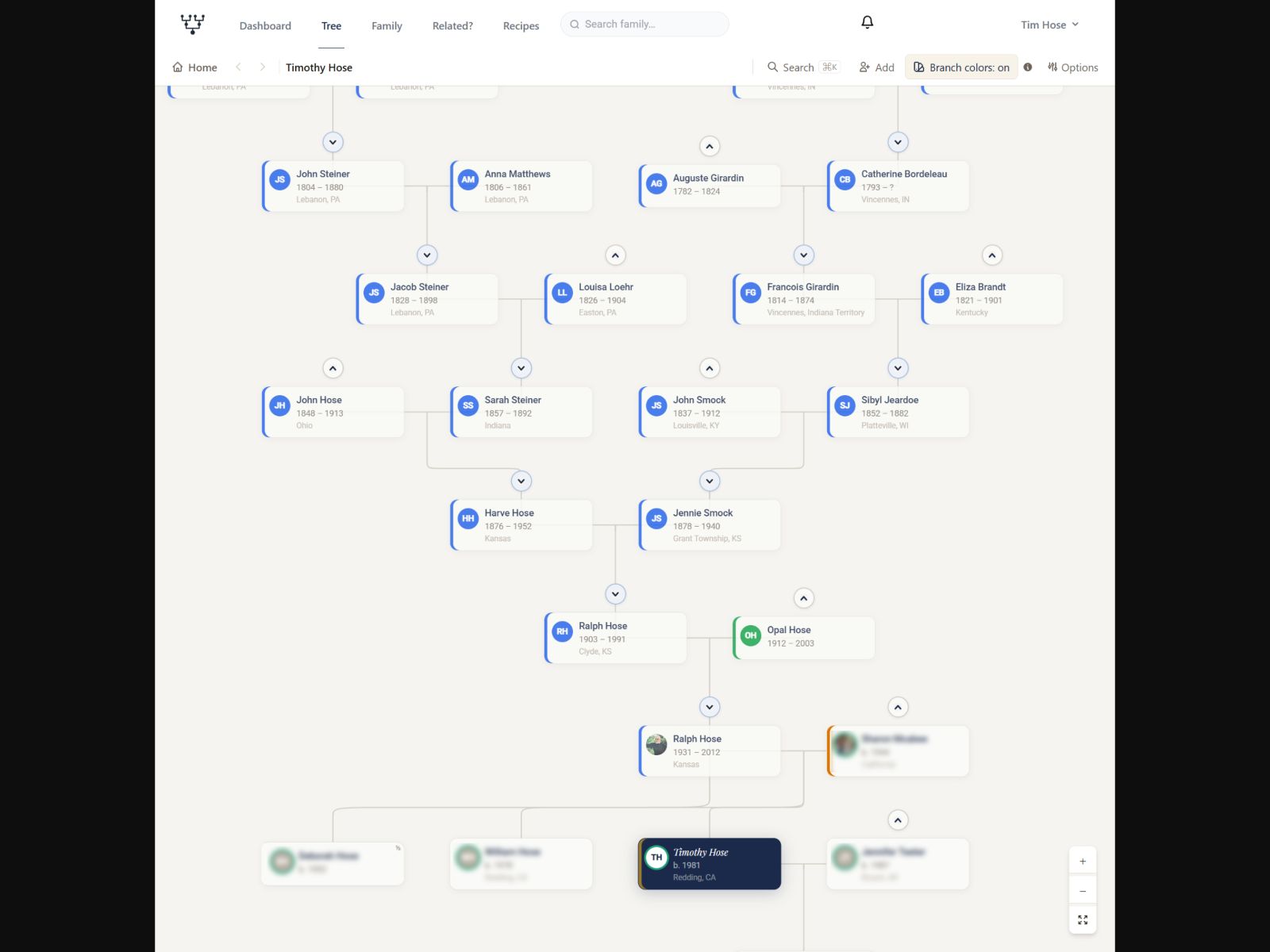
Archive
- 8,775
- Relatives
- 283
- Recipes
- 904
- Pictures & docs
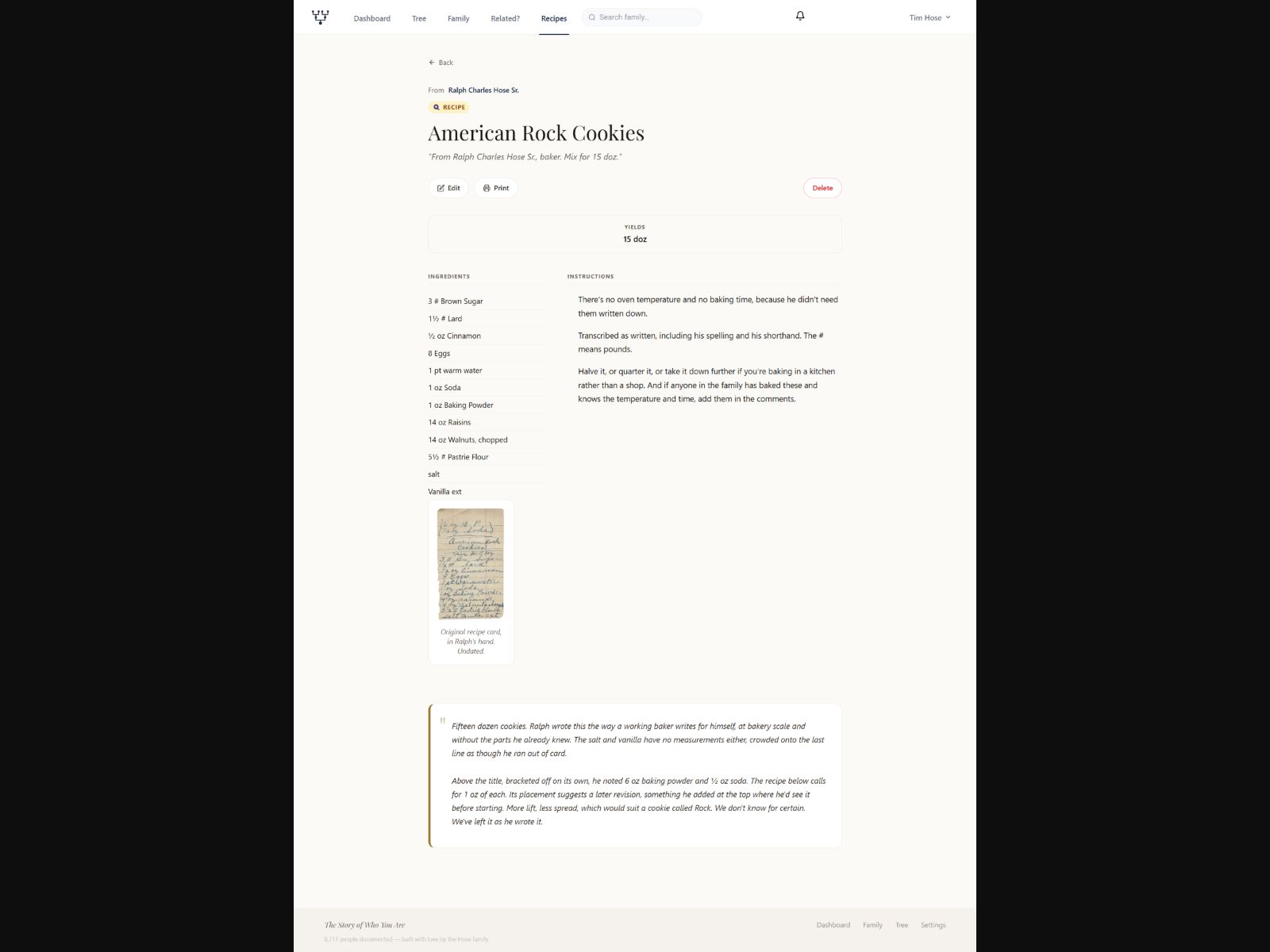
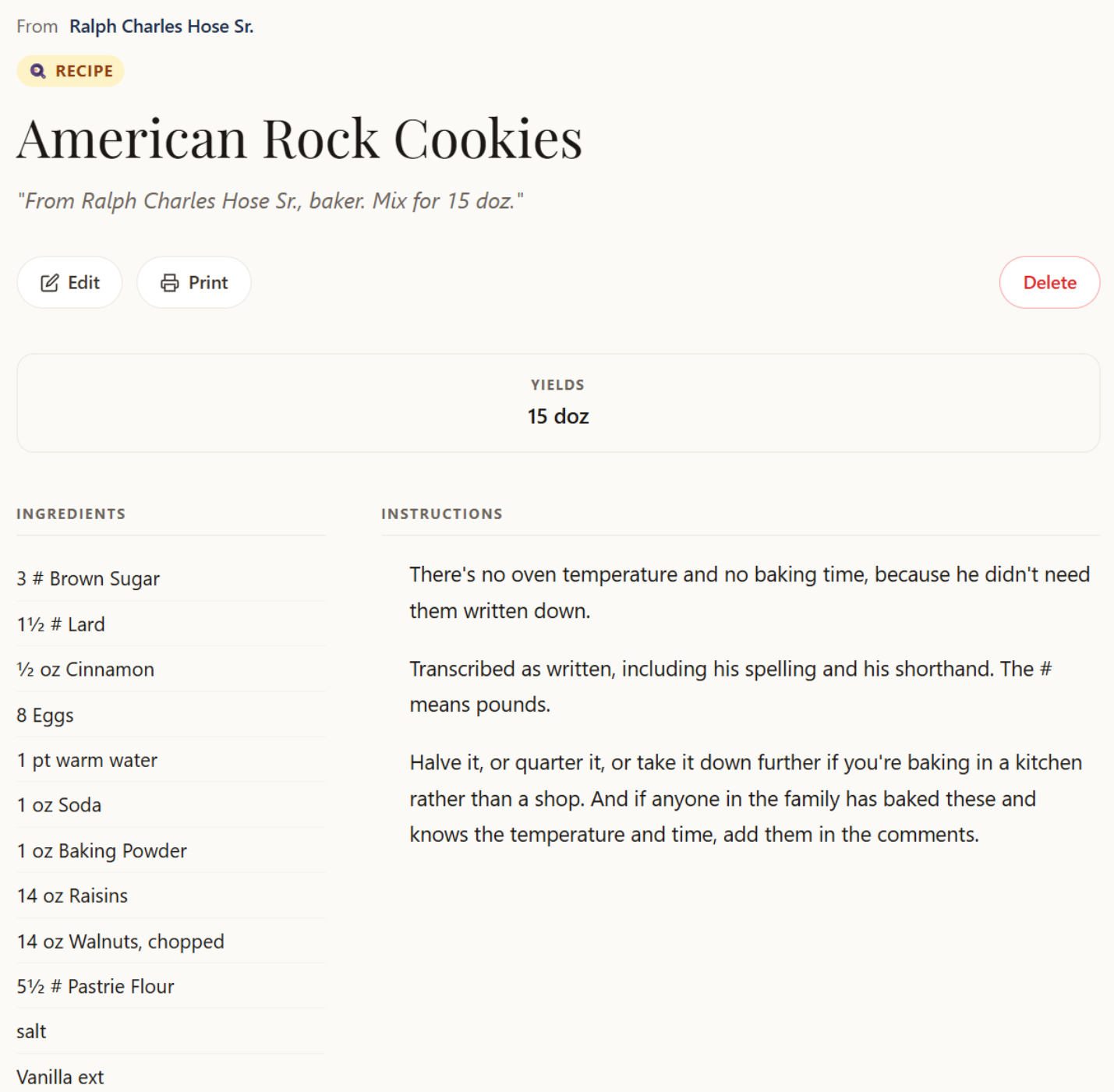
Archive record · 01
A working baker wrote only what he needed to remember.
- Artifact
- Recipe card
- Preserved
- As written
- Context
- Family memory
A family archive that brings stories, photos, recipes, and traditions together in one place so future generations can actually use them.
Family ArchiveView case studyRules can set us free.
A good design system gives teams a clear starting point and takes care of the decisions that shouldn’t have to be made from scratch every time. That leaves more room to explore, iterate, and solve the parts of the product that actually need imagination.
AI opens up even more ways to experiment, which makes that shared foundation more useful. With the basics handled, teams can spend more of their energy pushing the work somewhere new.
Play
Sites, identities, drawings, experiments, tools, and whatever else I get curious enough to make.
Craft, systems, and the space between them.
I work across design systems, tooling, product thinking, and AI-assisted workflows, with a background in visual design and management that still shapes how I approach the work.
Over the years, that has meant building native components, accessibility foundations, visual QA practices, cross-platform standards, internal tools, and the training that helps teams use them well. I’ve also worked with agency partners internationally and, more recently, on AI-enabled system use through Figma Make, an internal design-system MCP, and guidance for AI design workflows.
I spend a lot of time making things outside the main work too: tools, sites, prototypes, experiments, and whatever else seems interesting enough to chase.
The full career history lives in the résumé. Read the résumé